Truck overheating near I-40, AZ-95, US-93, Kingman, Needles, Barstow, Parker, or Lake Havasu City? Call TRT for mobile diesel diagnostics.
When a truck starts overheating in the desert, the wrong next move can turn a manageable roadside problem into an engine-damage event. High ambient heat, long grades, heavy loads, slow traffic, and remote highway miles can expose weak cooling-system parts quickly. TRT Road Service helps drivers and dispatchers sort through overheating, coolant-loss, belt, fan, hose, radiator, and warning-light symptoms across the broader service area, including I-40, AZ-95, US-93, Kingman, Needles, Bullhead City, Mohave Valley, Lake Havasu City, Parker, Barstow route connections, and nearby desert corridors.
This guide is built for the first few minutes after the temperature gauge climbs. It explains what to check, what not to ignore, what dispatch should collect, and when mobile diesel support is a better next step than pushing the truck farther down the road. If the truck is already in a safe location and you need help, call TRT at (928) 577-1496.
Do Not Treat Every Overheating Warning the Same
An overheating warning is not one single failure. It can point to a coolant leak, broken belt, fan clutch issue, low coolant, clogged radiator fins, failed hose, thermostat problem, water-pump concern, electrical sensor fault, heavy load condition, or an operating condition that is simply too hot for the truck to keep climbing safely.
That is why the first decision is not, “Can the driver make the next town?” The better question is, “What evidence says this truck can move without causing more damage?”
Drivers may see:
- coolant temperature climbing above normal under load
- warning light, stop-engine warning, or audible alarm
- steam, coolant smell, or visible coolant spray
- coolant reservoir low, empty, or overflowing
- fan not engaging when temperature rises
- belt squeal, loose belt, or missing belt
- radiator or charge-air area packed with debris
- temperature drops at idle but climbs on grades
- coolant loss after shutdown
- derate or engine-protection behavior
Some of these symptoms can be inspected roadside. Others may require towing, shop repair, or deeper diagnosis. TRT is mobile-only, so the priority is deciding whether the location is safe, the failure is serviceable in the field, and enough evidence exists to send the right support.
The First Safety Check
Before looking under the hood, get the truck into the safest practical location. Desert highway shoulders, ramps, grades, and construction zones are not equal. A wide truck-stop lot or yard is very different from a narrow shoulder on I-40 or US-93.
Do not open a hot cooling system. Pressurized coolant can cause serious burns. Let the system cool before touching caps, hoses, or coolant components. If coolant is spraying, steam is rising, or the dash is showing a stop-engine warning, the safest answer may be to shut down and call for guidance rather than trying to nurse the truck to the next exit.
Dispatch should ask the driver:
- Is the truck in a safe service location?
- Is there steam, coolant spray, or active leaking?
- Is the stop-engine light on?
- Is the engine already derated?
- Did the temperature drop after idling or shutdown?
- Is the load heavy, and was the truck climbing a grade?
- Is there enough room for a mobile service truck to work safely?
If the answer is unclear, send photos and a GPS pin before deciding. The mobile truck repair service area page explains TRT’s broader route coverage for I-40, AZ-95, US-93, Barstow connections, Parker, Lake Havasu City, Needles, Kingman, Bullhead City, Fort Mohave, and Mohave Valley.
What the Driver Should Document Before Calling
Good information helps avoid wasted dispatch time. Before calling, gather what you can without putting the driver in danger.
Send:
- exact location, route, direction, exit, mile marker, or GPS pin
- truck year, make, model, engine, and unit number
- current coolant temperature reading or gauge photo
- warning lights and dash messages
- whether the truck is loaded, empty, pulling a hill, or idling
- photos of coolant reservoir level after it is safe to inspect
- photos of any visible leak, wet hose, radiator area, or coolant trail
- whether the fan can be heard engaging
- belt condition if safely visible
- recent coolant, hose, radiator, water pump, thermostat, or fan work
- whether the truck has had repeated overheating events
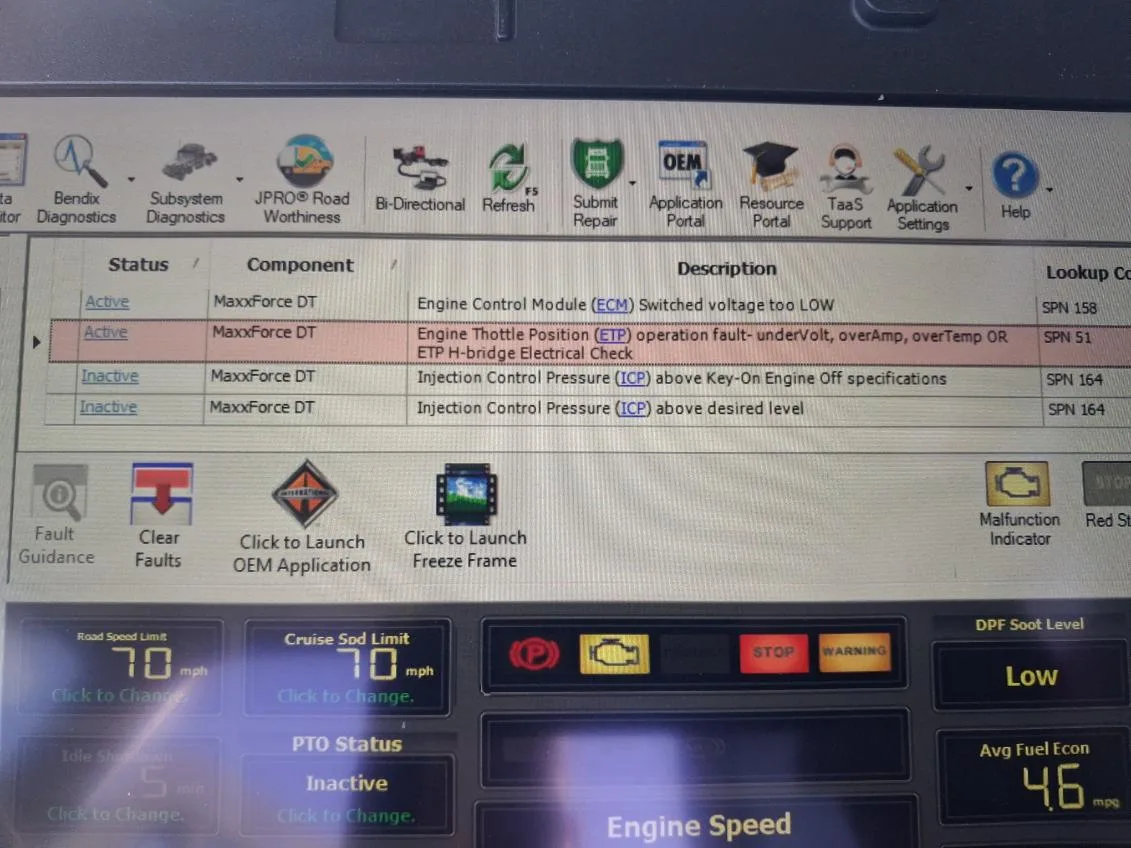
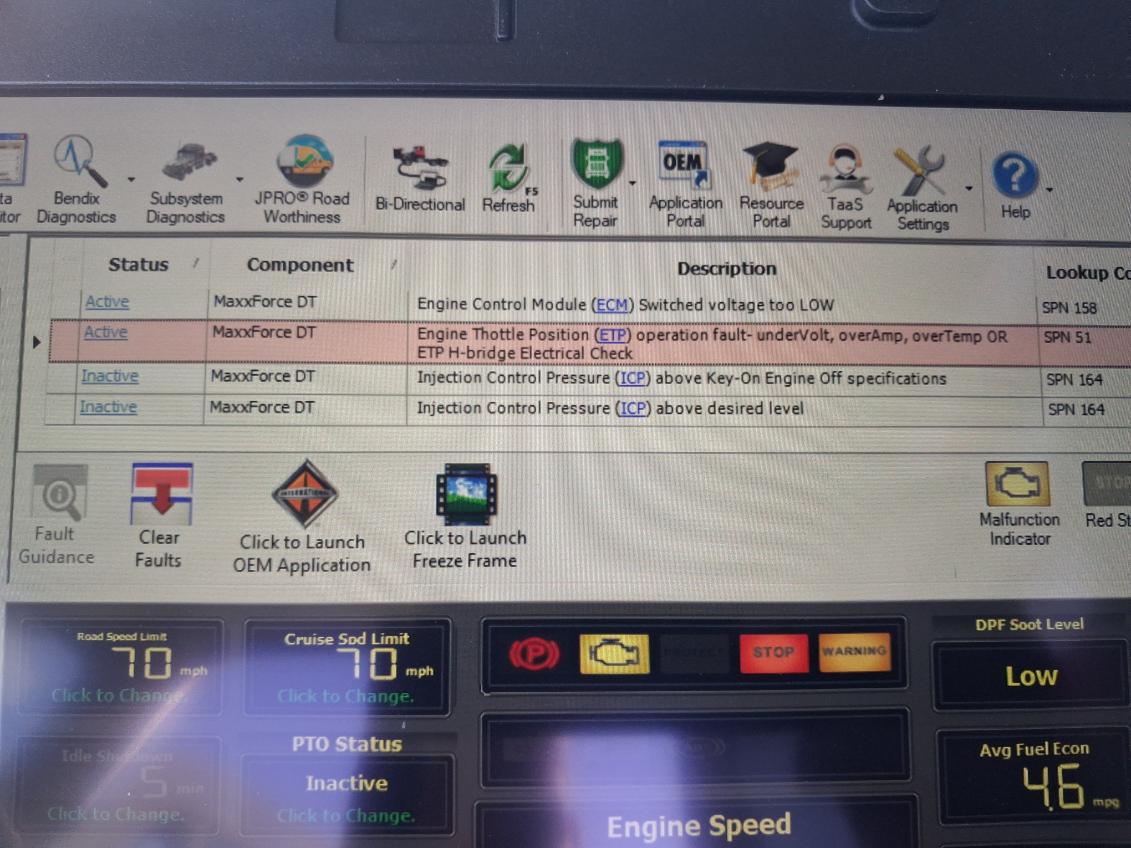
If the complaint includes no-start, low voltage, sensor faults, or wiring issues, TRT’s heavy-duty diagnostics page is the better supporting service lane. If the truck is also in derate with emissions warnings, review the DPF and DEF repair page and the DPF regen failed guide so dispatch does not treat every derate as a cooling-system failure.
Common Desert Overheating Causes
Desert routes expose cooling systems because there is less room for marginal parts to hide. A truck that ran acceptably in cooler weather can overheat when the load, grade, wind, and ambient temperature all stack against it.
Common causes include:
- low coolant from a slow leak that becomes obvious under pressure
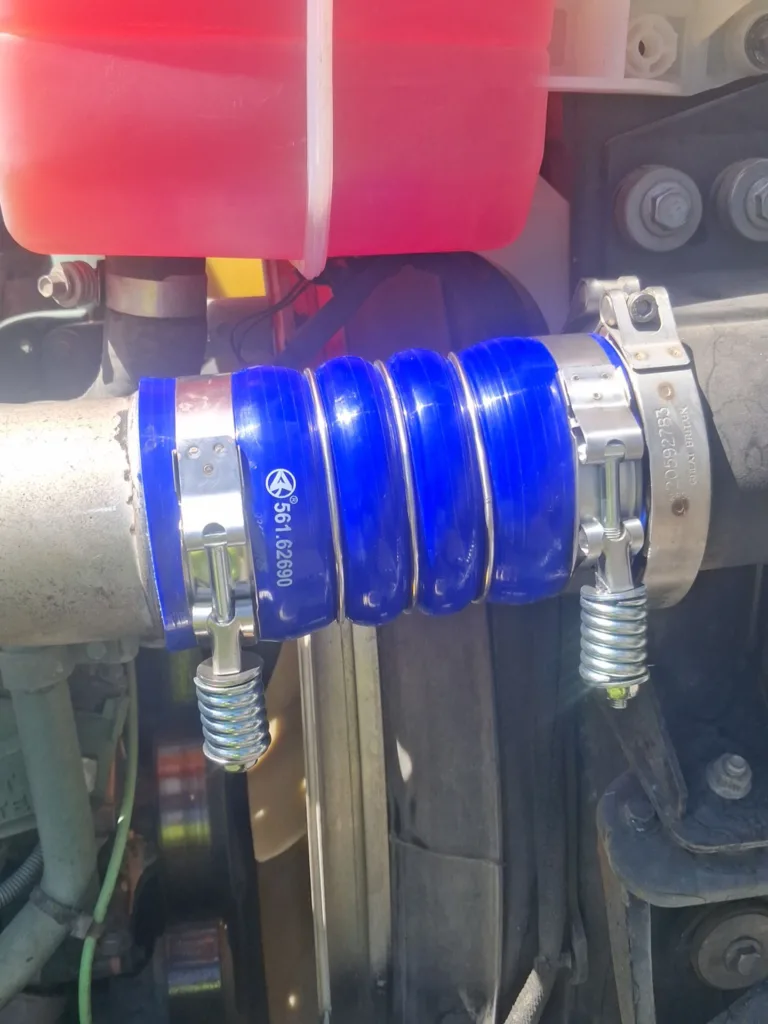
- cracked, swollen, loose, or collapsed coolant hoses
- loose clamps or failed fittings
- belt wear, broken belts, or tensioner problems
- fan clutch or fan-control issues
- radiator fins blocked by dirt, bugs, debris, or damage
- thermostat stuck or not opening properly
- water pump concerns
- pressure cap or reservoir problems
- air trapped after recent coolant work
- excessive load, grade, idle time, or stop-and-go heat
- electrical or sensor faults that report temperature incorrectly
The repair path depends on the failure. A hose or belt may be practical roadside when parts and access line up. A severe coolant leak, internal engine concern, damaged radiator, or repeated pressure problem may not be a safe mobile repair. The point of mobile diagnostics is to separate “possible roadside fix” from “do not run this engine farther.”
When It May Be Unsafe to Keep Driving
Keeping a hot diesel engine running can be expensive. Heat can damage head gaskets, liners, sensors, hoses, turbo-related components, wiring, and aftertreatment parts. Even if the temperature falls briefly at idle, it may climb again as soon as the truck gets back under load.
Be cautious if:
- the stop-engine warning appears
- coolant is actively leaking or spraying
- the reservoir is empty after cooldown
- the driver sees steam or smells coolant
- oil and coolant contamination is suspected
- the temperature climbs rapidly after restart
- the same complaint has happened more than once
- the truck is in a remote stretch with no safe shoulder ahead
In those cases, the best next move may be diagnosis from the current safe location, towing coordination, or a controlled repair decision. TRT can help drivers and dispatchers evaluate what is visible and practical, but no mobile provider should promise that an overheating truck can always be repaired roadside or safely driven onward.
Route Context Matters
TRT’s coverage is not just one road. The operating area includes a wide desert service footprint where a driver may be closer to Kingman, Needles, Bullhead City, Mohave Valley, Parker, Lake Havasu City, Barstow connections, or an I-40/US-93/AZ-95 corridor point than the city name on the load paperwork suggests.
That matters because dispatch details can change the response plan. A unit overheating near Needles may need different routing context than a truck near Seligman, Barstow, Lake Havasu City, or Parker. The Kingman-to-Needles stretch in particular — the Topock grade — has its own overheating guide. Use TRT’s I-40 route coverage page for I-40-specific breakdown guidance, the Needles CA mobile diesel page for Needles and California-route connections, and the Seligman AZ mobile diesel page for eastern I-40 support context.
For western Arizona river communities and AZ-95 connections, the Bullhead City and Mohave Valley mobile diesel page helps dispatchers understand the local lane. The broader service area hub should remain the primary coverage reference when a breakdown sits between named cities.
What TRT Can Check Roadside
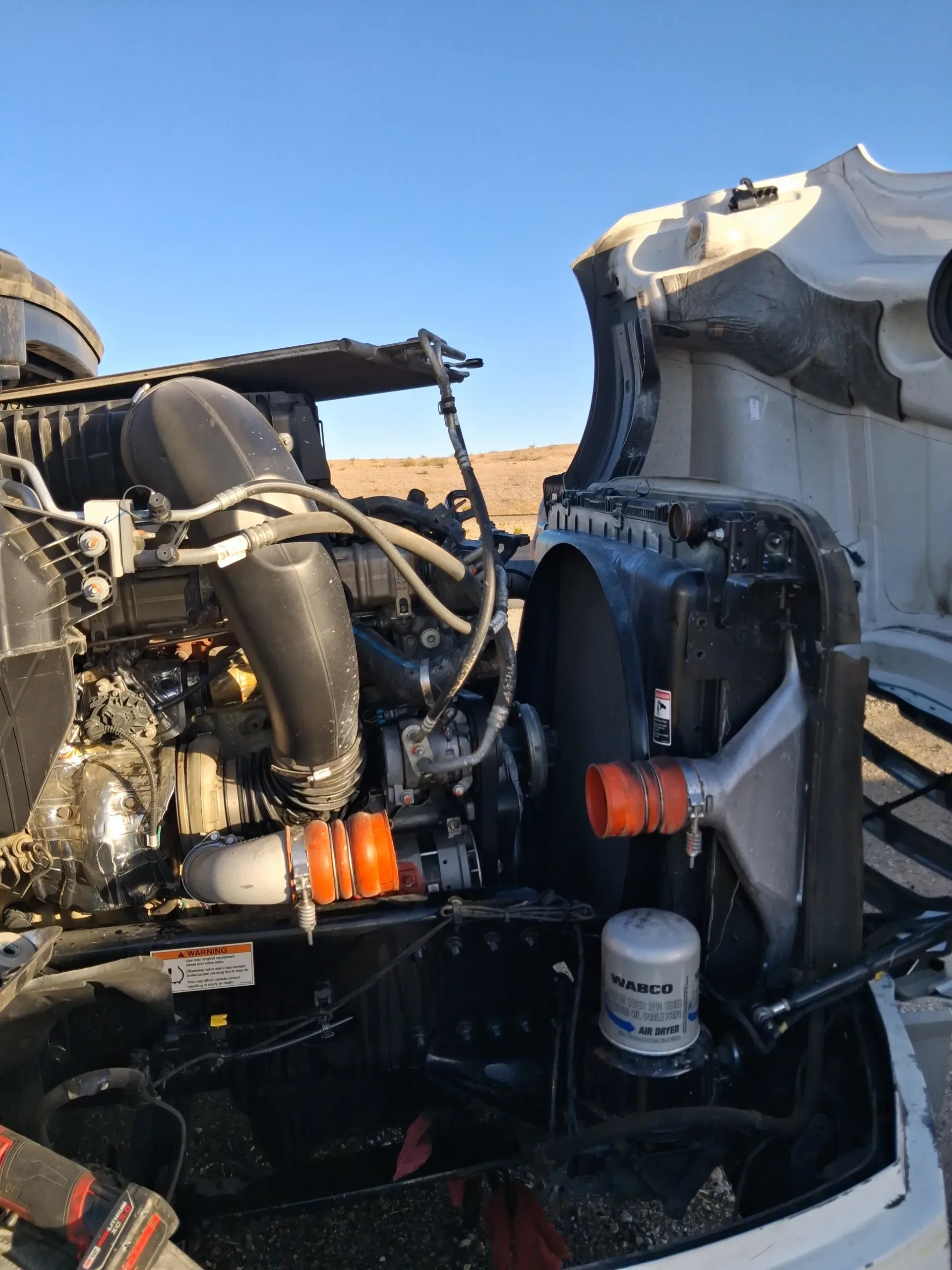
A mobile overheating call may include visual inspection, fault-code checks when applicable, coolant leak inspection, belt and hose review, fan operation observations, radiator-area inspection, and practical guidance on whether the truck should continue, repair in place, or stop for tow/shop coordination.
Depending on the location, parts availability, safety conditions, and failure, roadside help may include:
- identifying obvious coolant leaks
- inspecting hoses, clamps, belts, and accessible components
- checking whether the fan appears to engage
- reviewing warning lights and diagnostic clues
- helping dispatch decide whether continued operation is too risky
- repairing field-serviceable issues when conditions and parts allow
Roadside work has limits. A mobile visit cannot guarantee a full engine-health answer, cannot make an unsafe shoulder safe, and cannot turn every overheating event into a completed field repair. If the truck has major coolant loss, pressure problems, internal engine symptoms, radiator damage, or repeated overheating after attempted repair, a shop or tow path may be the more responsible answer.
Dispatcher Script for an Overheating Call
Use this quick script before sending help:
- “Where exactly is the truck, and is it safe to work there?”
- “What is the coolant temperature now, and what was the highest reading?”
- “Is there a stop-engine warning, derate, or active alarm?”
- “Do you see steam, coolant spray, wet hoses, or a puddle?”
- “Did the temperature fall after idling or shutdown?”
- “Is the truck loaded, climbing, idling, or in traffic?”
- “Can you send photos of the dash, reservoir, visible leak area, and location?”
- “Has this happened before or after recent cooling-system work?”
That information gives the technician a better first read and helps dispatch avoid asking a driver to move a truck that should stay parked.
Call TRT Before the Heat Turns Into Damage
If a truck is overheating near I-40, AZ-95, US-93, Kingman, Needles, Bullhead City, Mohave Valley, Lake Havasu City, Parker, Barstow route connections, or nearby desert corridors, call TRT Road Service at (928) 577-1496.
TRT can help review the symptoms, dispatch mobile diesel support when the call fits, and give drivers and dispatchers a clearer next step before more heat, more miles, or more guessing makes the situation worse. For general mobile repair support beyond overheating, start with mobile diesel repair or contact TRT Road Service.
TRT Road Service