Why the Kingman-to-Needles stretch of I-40 overheats trucks — the Topock grade, extreme heat, aging hoses — and what to do when the gauge climbs.
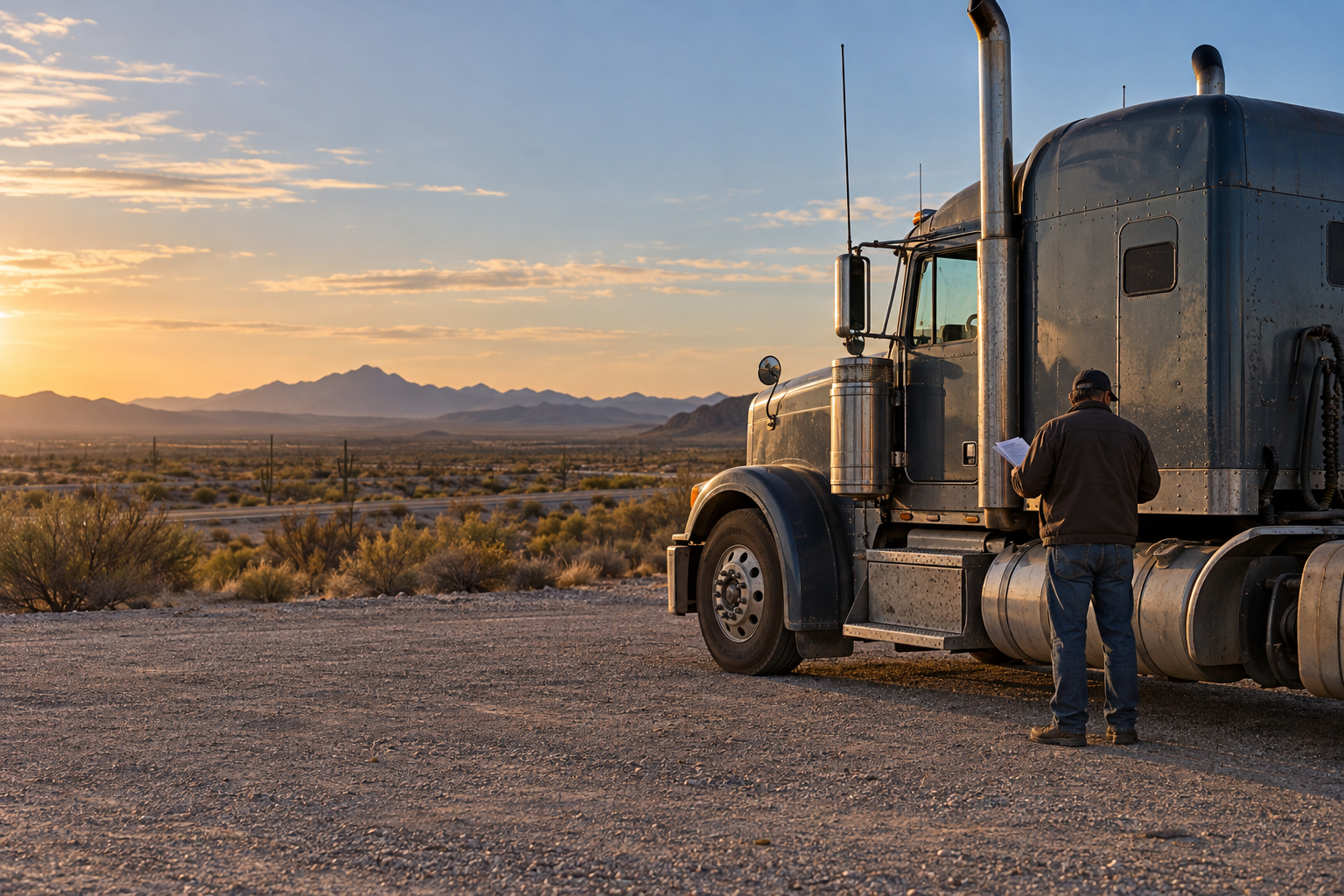
There’s a reason mobile mechanics on this corridor watch the forecast: the stretch of I-40 between Kingman, Arizona and Needles, California is one of the hardest tests a truck’s cooling system faces anywhere in the country. Summer ambient in the river valley runs to 120°F with asphalt near 160°F, and right in the middle of it sits the climb out of Topock gorge — a sustained grade, under maximum thermal load, at the hottest point of the route.
Trucks that ran cool for two thousand miles overheat right here. This is why, and what to do when your gauge starts walking up. (For the general desert checklist that applies anywhere on the route, see what to check before you keep driving — this piece is about this specific stretch.)
What This Stretch Does to a Cooling System
An engine working a grade in extreme heat is shedding enormous heat through a system with zero margin left:
The air can’t help much. Cooling systems are designed around airflow that’s meaningfully cooler than the coolant. At 120°F ambient, the radiator’s ability to dump heat shrinks exactly when the climb demands the most from it.
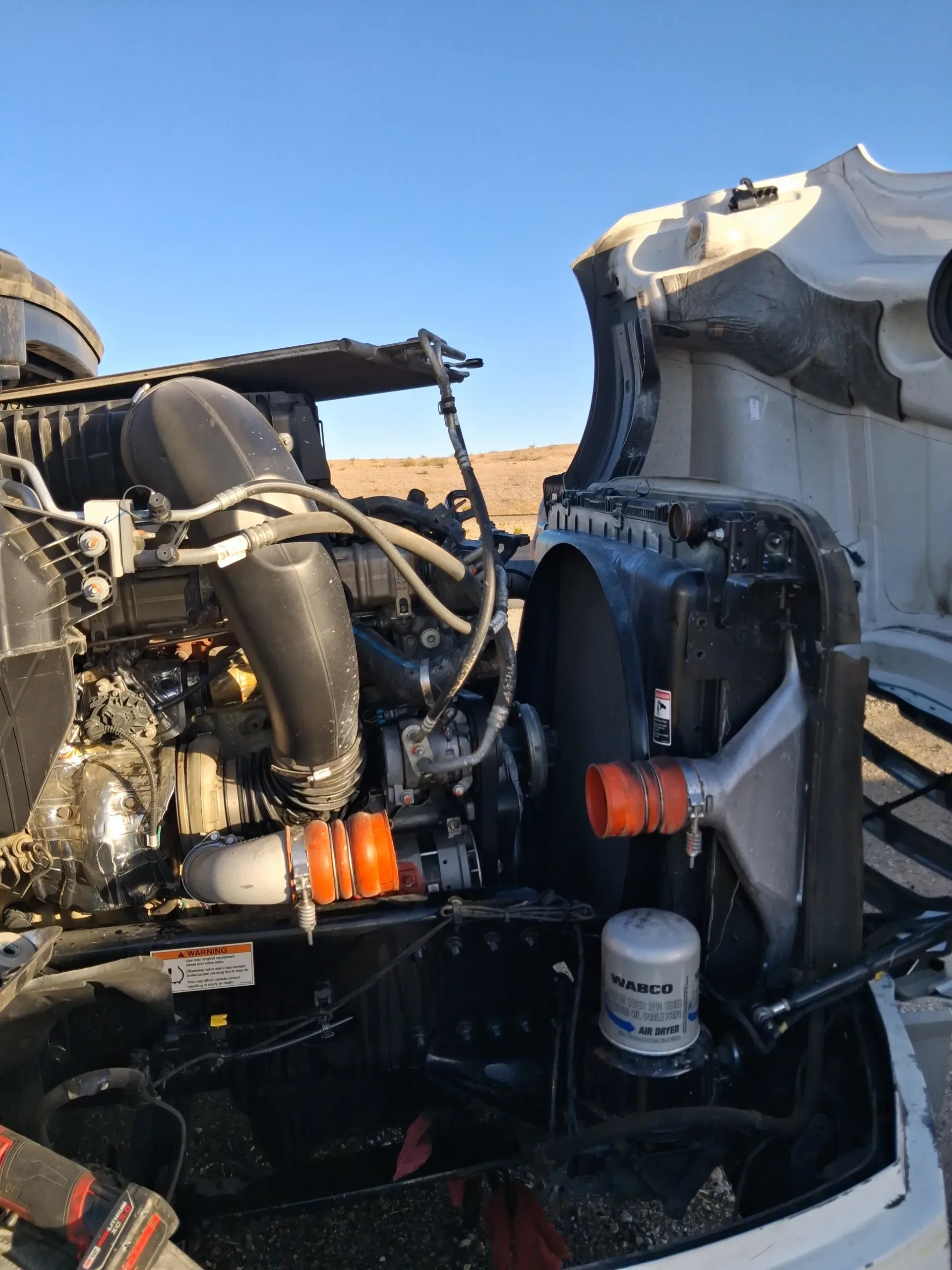
Rubber ages in fast-forward out here. Hoses, clamps and seals on trucks that live in or cross the desert degrade well ahead of the calendar. The eastbound climb out of Topock is a documented hose-killer — thermal loading finds the weakest section of a hose that looked fine at pre-trip.
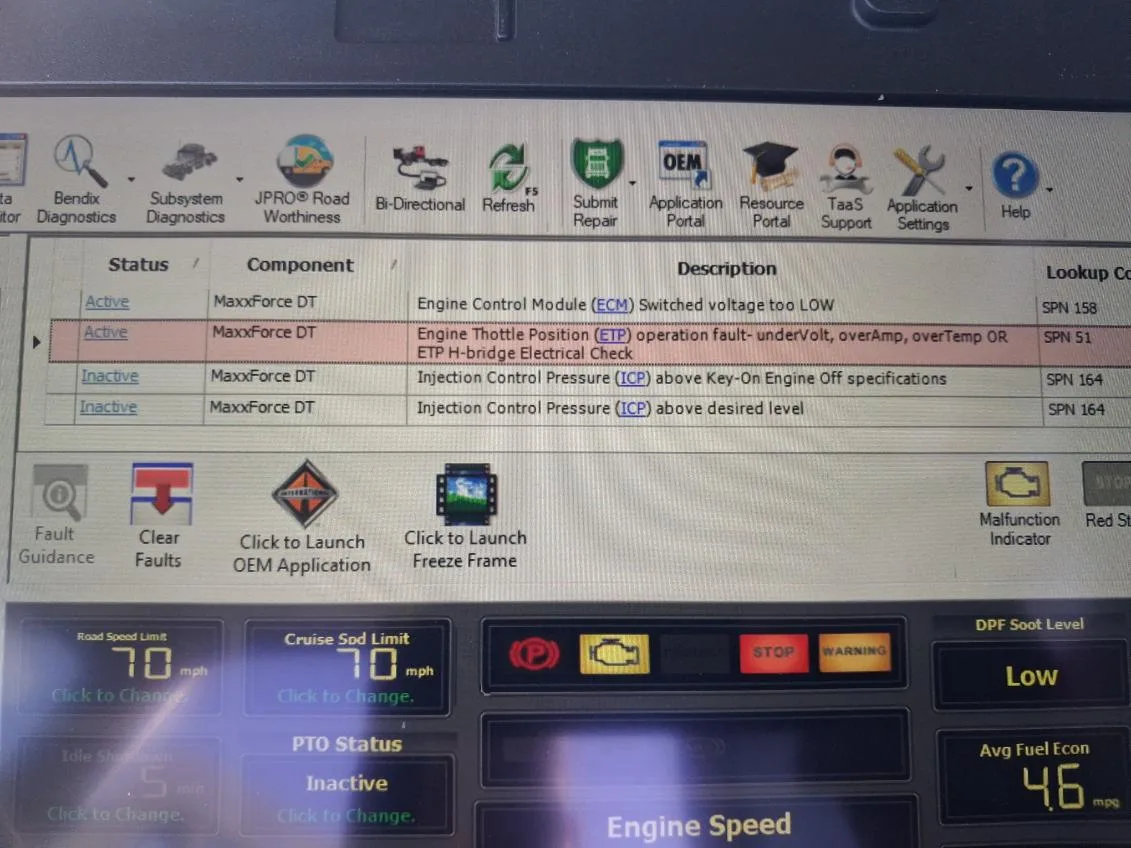
Everything heat-sensitive struggles at once. The same climb heat-soaks turbo actuators, loads up DPFs on the sustained pull, and pushes marginal fans, thermostats, and water pumps over the line. Overheating out here often travels with an emissions derate — two symptoms, one cause: heat.
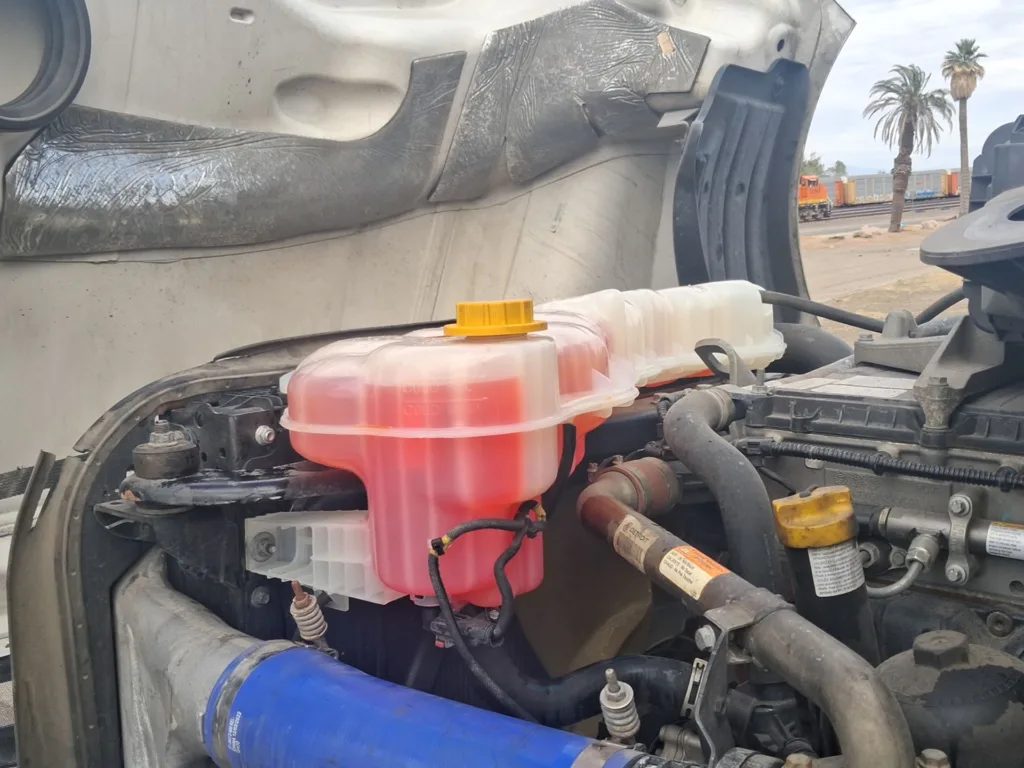
When the Gauge Starts Climbing: Do This
The difference between a repair and a ruined engine is usually the driver’s next five minutes:
- Shed load on the engine. Ease off the throttle, drop a gear if it lets the fan and water pump spin faster relative to load, and kill non-essential draws. If your truck runs an A/C-versus-cooling tradeoff on grades, this is the moment.
- Watch the trend, not the number. A gauge that stabilizes high on the climb and recovers on the descent is a system at its limit. A gauge still climbing after you’ve backed off is a failure in progress — plan your stop now.
- Stop before the red, not at it. Pick a safe pull-out or exit while the engine still has margin. Idling a hot engine for a couple of minutes before shutdown lets it shed heat gradually; an immediate hot shutdown can make things worse.
- Never open the radiator cap on a hot engine. Not partially, not carefully, not once. A pressurized cooling system at temperature will flash to steam and scald you. There is nothing under that cap worth a burn unit. Let the professional handle the system once it’s cool.
- Protect yourself while you wait. The same heat that killed the hose is working on you — shade, water, and staying off the traffic side aren’t optional at 120°F.
What's Usually Broken (and What's Fixable Roadside)
Most desert overheating calls come down to a short list, and most of that list is repairable where the truck sits:
- Hoses and clamps — the number-one kill. Replaced roadside, system refilled, truck moving.
- Thermostats — stuck closed and cooking the engine; a straightforward mobile repair.
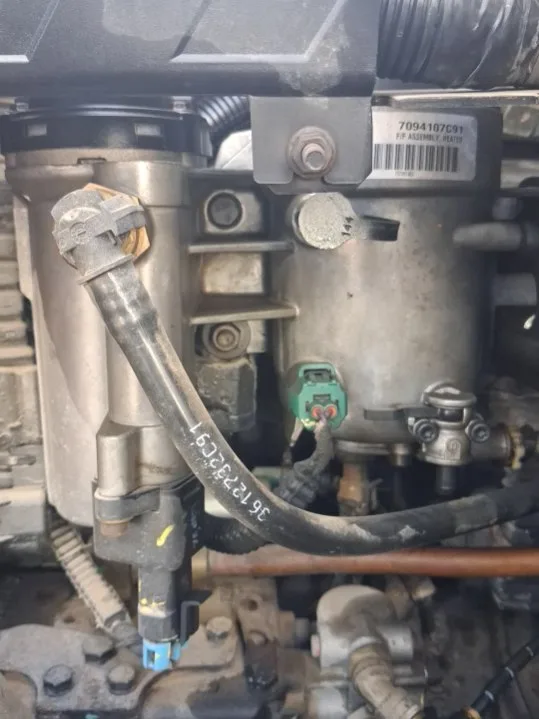
- Fan clutches and fan drives — a fan that won’t engage turns a hot day into a breakdown. Diagnosable on-site, often with dealer-level diagnostics commanding the fan directly to catch it in the act.
- Water pumps — seeping or failed; more involved, still routinely done in the field.
- Coolant loss without an obvious leak — pressure-tested on-site rather than guessed at, because “just top it off” is how the same call happens again forty miles later.
The genuinely shop-bound cases — cracked heads, failed EGR coolers dumping coolant into the exhaust, internal damage from running it too hot too long — get identified during diagnosis, before tow money is spent. That last one is worth underlining: the most expensive overheating repairs are usually the miles driven after the gauge said stop.
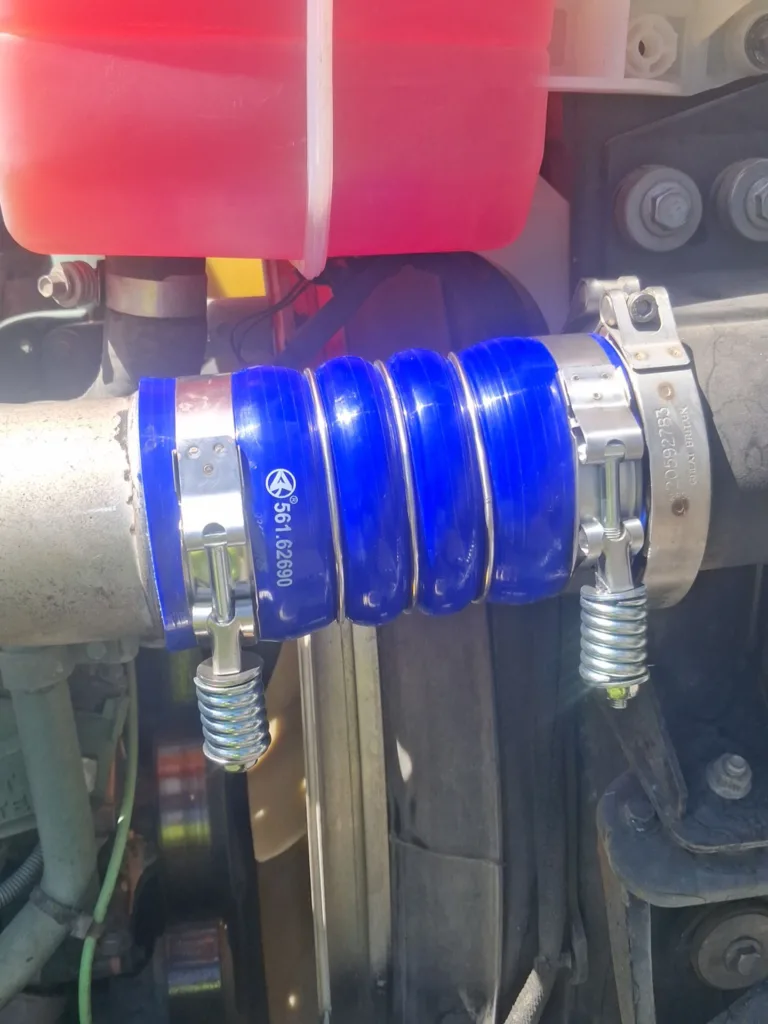
Five Minutes at Kingman Beats an Hour at Topock
Westbound and about to cross the hottest stretch? A quick look before you leave Kingman is the cheapest insurance on this route: coolant level cold, hose condition and clamp seep, belt tension, and any temperature drift you noticed on the last grade. Trucks already showing marginal cooling behavior at Kingman reliably become breakdown calls near Needles.
And if it does let go anywhere on the I-40 corridor, the repair comes to you — mobile diesel repair, 24/7, with the parts that fail out here stocked because they fail out here.
Frequently Asked Questions
Quick answers for the questions homeowners ask before they call or book.
My temp only spikes on the Topock grade, then recovers. Is that normal?
It’s common — and it’s your cooling system telling you it has no reserve. Fine today, a breakdown the first day something else (a lazy fan clutch, a soft hose) takes away the last margin. Worth a proper look before peak summer.
Can I just add water and keep going?
Emergency top-offs happen, but coolant leaves for a reason. Diluted coolant also protects worse in extreme heat. Find and fix the leak — a pressure test roadside answers it in minutes.
The truck derated at the same time it ran hot. Two problems?
Usually one: heat. Sustained grades load the DPF while they load the cooling system. The diagnosis sorts out which faults are cause and which are effect.
Do you really run calls out there in July?
That’s the busiest season on this stretch. Dispatch is 24/7, and summer afternoon calls between Kingman and Needles are the most routine work there is.
Gauge Climbing Right Now?
Back off the load, stop somewhere safe before the red, leave the cap alone, and call TRT Road Service at (928) 577-1496 — 24/7 mobile cooling system repair across the I-40 and AZ-95 corridors. Non-urgent checks can go through the contact page.
TRT Road Service