What a DEF or DPF derate means mid-route on I-40, how much time the countdown really gives you, and what a mobile mechanic can fix at the roadside.
Few dash messages ruin a run faster than an emissions warning with a countdown attached. One minute you’re rolling at highway speed, the next the screen is telling you the engine will derate — and on the empty stretches of I-40, “reduced power” quickly turns into “creeping toward the next exit at a walking pace.”
Here’s what those DEF and DPF warnings actually mean, how much room you really have, and what can be fixed at the roadside without a tow.
Two Different Systems, One Ugly Outcome
Modern diesels carry two emissions systems that can each put you in a derate:
The DPF (diesel particulate filter) traps soot from the exhaust and burns it off in regeneration cycles. When regens keep failing or get interrupted — lots of idling, short runs, or a fault in the system — soot loads up, back-pressure climbs, and the engine protects itself by cutting power.
The DEF system (diesel exhaust fluid / SCR) injects fluid into the exhaust to neutralize NOx. If the truck believes the DEF is missing, contaminated, or not dosing — whether that’s actually true or just a failed sensor — federal emissions rules force the engine into escalating derates.
The outcome is the same either way: a staged loss of power that, if ignored, ends at a final derate of roughly 5 mph. That’s not a limp to the next town. That’s a parked truck with hazards on.
The Countdown Is Real — Use It
Derates escalate in stages, and the dash usually tells you what stage you’re in. The practical read:
- Warning light, no derate yet — you have time, but the clock is running. Don’t bank on it clearing itself.
- Torque or speed reduction active — plan your stop now, while you can still choose where it happens. A truck stop or wide exit beats a live shoulder.
- Final derate imminent — get somewhere safe and make the call. Driving deeper into the countdown just strands you further from help.
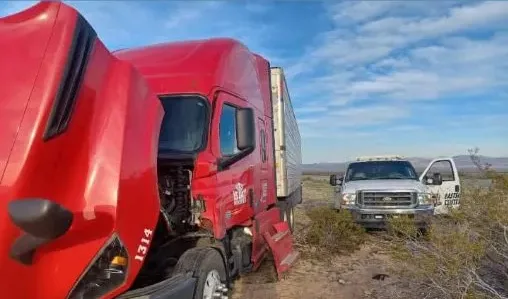
On this corridor the distances punish hesitation. Between Seligman, Kingman, and Needles there are long gaps with no services — the I-40 route coverage page shows just how much empty road that is. A derate that starts near a town and gets driven “just a little further” routinely ends on a remote shoulder instead.
Why This Corridor Eats DEF Systems
Desert heat is not kind to exhaust fluid. On the hottest stretches of TRT’s route — the low desert around Needles and the river valley — extreme ambient temperatures stress DEF dosing components and can degrade the fluid itself. Heat-driven dosing valve failures and crystallized DEF lines are a recurring pattern out here, not a freak event.
That matters for diagnosis: a DEF derate on this corridor isn’t automatically “bad fluid” or “empty tank.” It’s often a component that cooked. Guessing wrong costs hours; reading the actual fault data doesn’t.
What a Mobile Mechanic Can Do at the Roadside
This failure class is exactly where mobile service earns its keep, because much of it is fixable without a shop:
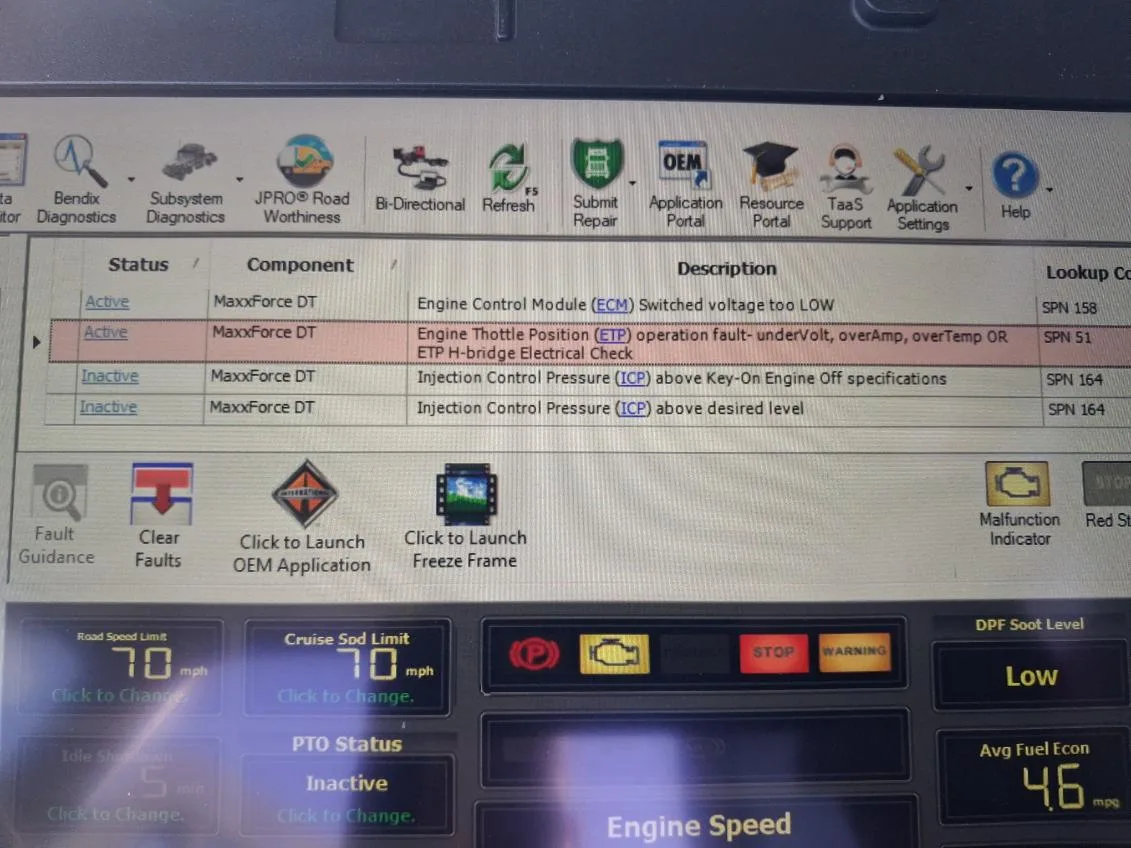
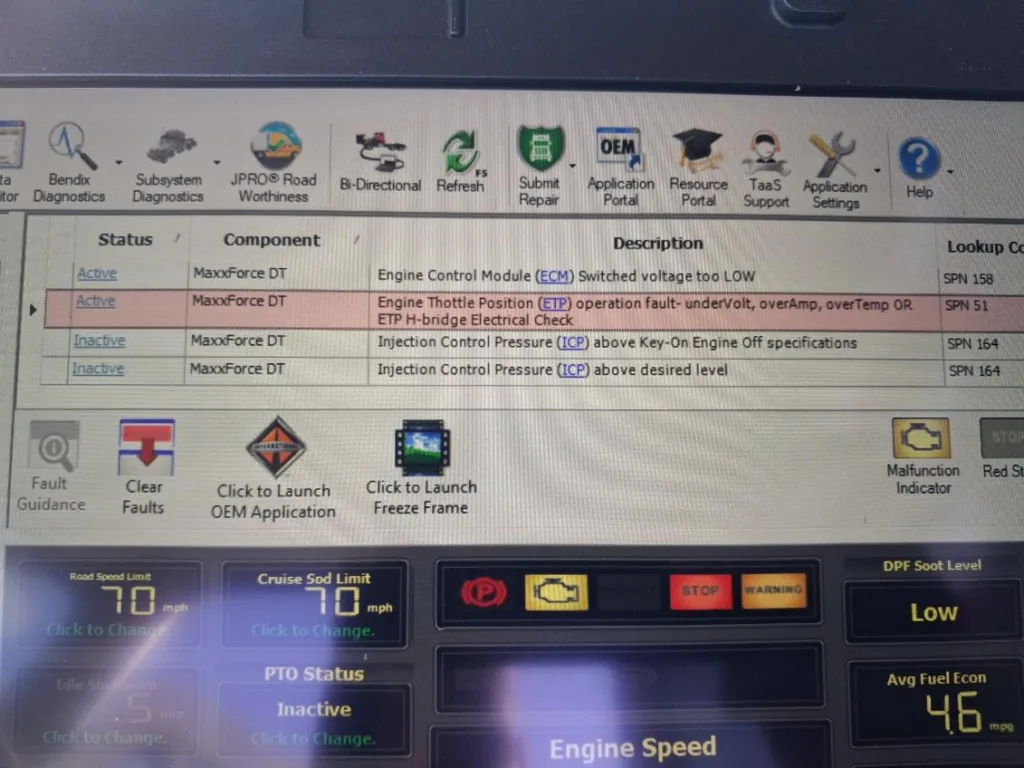
- Read the real story first. Dealer-level JPRO diagnostics pull the specific fault codes and sensor data, so the repair starts from evidence instead of the dash’s summary warning.
- Forced DPF regeneration on-site. A soot-loaded filter can often be regenerated right where the truck sits — one of the most common ways a “stranded” truck gets moving without a tow. (If a regen has already failed mid-route, what drivers and dispatchers should do next walks through that scenario.)
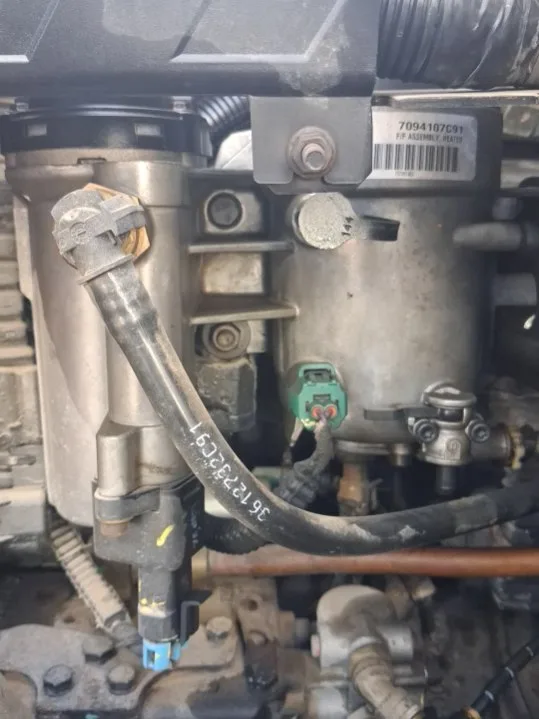
- DEF system faults diagnosed and repaired — sensors, dosing components, and lines are roadside-serviceable in many cases. The DPF and DEF system repair page covers what that service looks like.
- Honest triage. Some failures do need a shop. Knowing that from a roadside diagnosis — before a tow decision, not after — is worth as much as the wrench work.
What to Have Ready When You Call
Derate calls move fastest when dispatch gets the full picture up front:
- Where you are — direction, mile marker or exit, which side of the road.
- What the dash says — the exact warning text and any fault codes displayed. A photo of the screen helps.
- The history — how long the light’s been on, whether a regen was interrupted, when DEF was last topped off and from where.
- Your timeline — how far into the derate stages you are, and any delivery deadline riding on the answer.
Mobile diesel repair on this corridor is 24/7 — emissions systems don’t check the clock before they fault, and night derates on I-40 are routine calls.
Frequently Asked Questions
Quick answers for the questions homeowners ask before they call or book.
Can I just keep driving through a derate?
You can drive to somewhere safe — that’s what the staged warnings are for. But the countdown ends at roughly 5 mph whether it’s convenient or not, and out here the space between safe stopping points is long. Stop while you still choose the location.
Will topping off DEF clear the fault?
Only if low or empty DEF was actually the problem. If a sensor or dosing component failed — common in extreme heat — the fault stays until the component is diagnosed and repaired.
Can a DPF really be regenerated at the roadside?
Often, yes. A forced regen through dealer-level diagnostic software is a standard mobile procedure and avoids a tow for one of the most common failure modes on this route.
What if it’s something a roadside repair can’t fix?
You’ll hear that during diagnosis, on the phone or on-site — before you’ve committed to the wrong plan. Honest triage is part of the service.
Derating Right Now?
Get somewhere safe while the truck still moves, note your mile marker, and call TRT Road Service at (928) 577-1496 — 24/7 mobile diesel repair and dealer-level diagnostics across the I-40 and AZ-95 corridors. For anything that isn’t urgent, the contact page works too.
TRT Road Service