MOBILE TRUCK AIR BRAKE REPAIR
Air pressure dropping, trailer air not building, brake warning on, or an air leak you can hear? Call TRT Road Service with your location and symptoms so dispatch can review mobile air brake support.
Call now for air brake support
(928) 577-1496
Air brake and air-system symptoms can stop a commercial truck fast. TRT Road Service supports mobile air brake repair and diagnostic calls involving air leaks, pressure loss, trailer-air issues, brake chamber or valve symptoms, gladhand and hose concerns, and related roadside intake across TRT’s mobile service area.
Air brake work depends on safety, parts, location, and the exact failure. If the truck is unsafe to move, keep it parked in a safe location and call dispatch with the symptoms before attempting to continue.
Common calls include air pressure not building, audible air leaks, trailer brakes not releasing, emergency or service line concerns, air dryer symptoms, brake chamber concerns, valve-related symptoms, ABS or brake warning lights, and air-line damage. TRT can review the situation for mobile support, diagnostics, parts needs, and the safest next step.
For broader roadside mechanical support, see mobile diesel repair. For fault-code or electrical overlap, see heavy-duty diagnostics and mobile electrical/no-start repair. For route coverage, see TRT’s mobile truck repair service area and I-40 route coverage.
Air pressure loss and slow air build complaints
Audible air leaks, damaged lines, fittings, and hose symptoms
Trailer air supply, gladhand, service line, and emergency line concerns
Brake chamber, valve, air dryer, and relay/supply symptom intake
ABS or brake warning-light overlap with diagnostic review
Dispatch review for parts availability, safe location, and job scope
Why Call TRT for Air Brake Roadside Support?
Tell dispatch whether air pressure is building, where the leak appears to be, whether the issue is on tractor or trailer, and whether warning lights or fault codes are present.
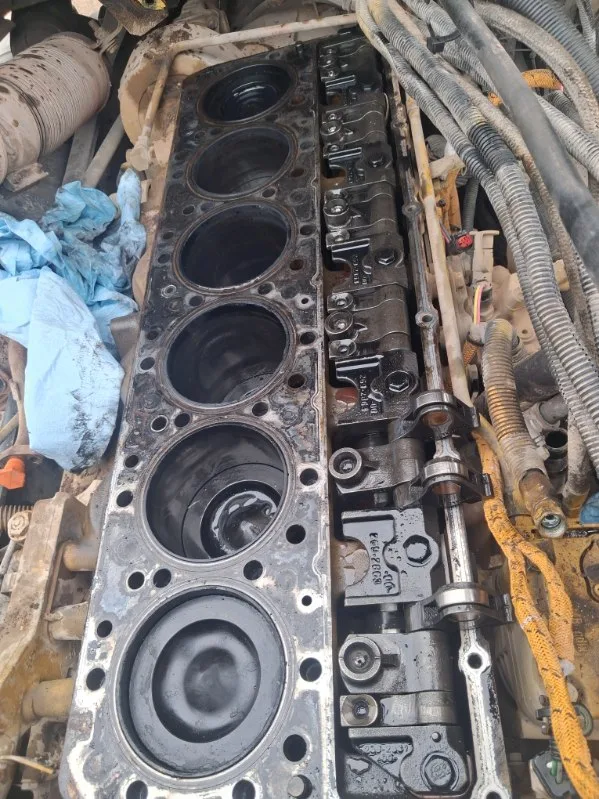
Fully licensed diesel technicians experienced with all major commercial truck engines, trailers, and chassis.
We accept major credit cards, Zelle, Apple Pay and CASH to get you authorized and rolling faster.
Rapid emergency dispatch times spanning the entire corridor from Kingman to Barstow.
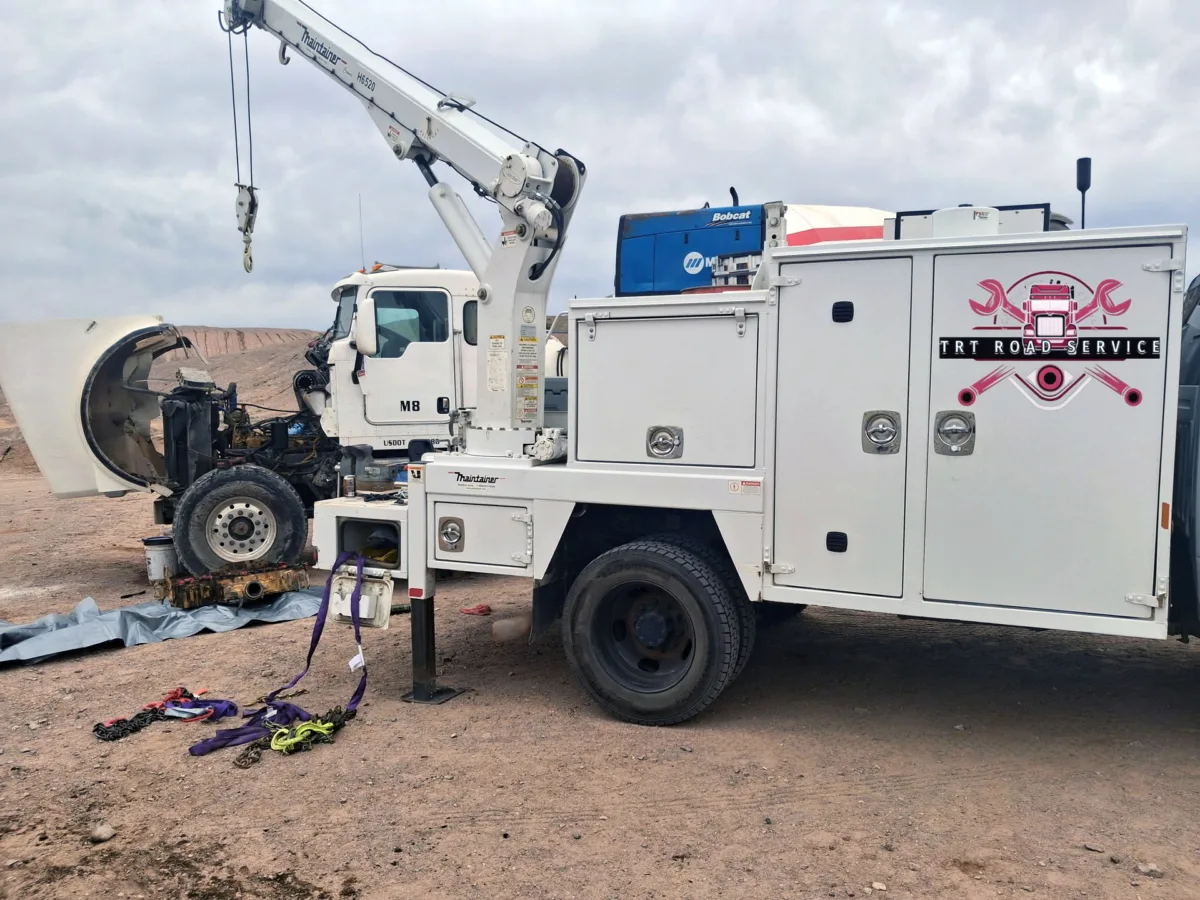
Our mobile units are stocked with common heavy-duty parts, air compressors, and welding equipment to finish the job on-site.
Call or text TRT Road Service with your exact location, truck and trailer details, air pressure behavior, visible damage, audible leak location, warning lights, and whether the unit is parked in a safe service location. For dispatch intake, use the contact page or call the number on this page.
Air Brake Roadside Questions
Common questions about air brake and air-system roadside support.
TRT can review air leaks, pressure loss, trailer air issues, damaged lines or fittings, brake chamber or valve symptoms, and warning-light overlap for mobile support when safety, parts, and location allow.
Report whether air pressure builds, how quickly it drops, where the leak is heard, whether the issue is tractor or trailer, warning lights or fault codes, brake release behavior, and your exact safe location.
TRT can review trailer air-line, gladhand, service/emergency line, chamber, and valve symptoms for mobile support. Some trailer air problems require parts or a follow-up repair path after diagnosis.
No. Some air brake problems require parts, shop equipment, or a safer repair setting. Dispatch will review the symptoms, location, and safety constraints before setting expectations.
Keep the unit parked in a safe location, follow your company safety procedures, and call dispatch with your exact location and symptoms. Do not continue operating unsafe equipment just to reach a different spot.
TRT can review air leaks, damaged lines, fittings, and chamber symptoms for mobile support. Whether it can be completed roadside depends on the exact issue, parts, safety, and service location.
TRT primarily supports commercial trucks and trailers. Call with tractor/trailer details, air-system symptoms, and location so dispatch can decide whether mobile support is practical.