
Mobile Truck Electrical Repair and No-Start Diagnostics
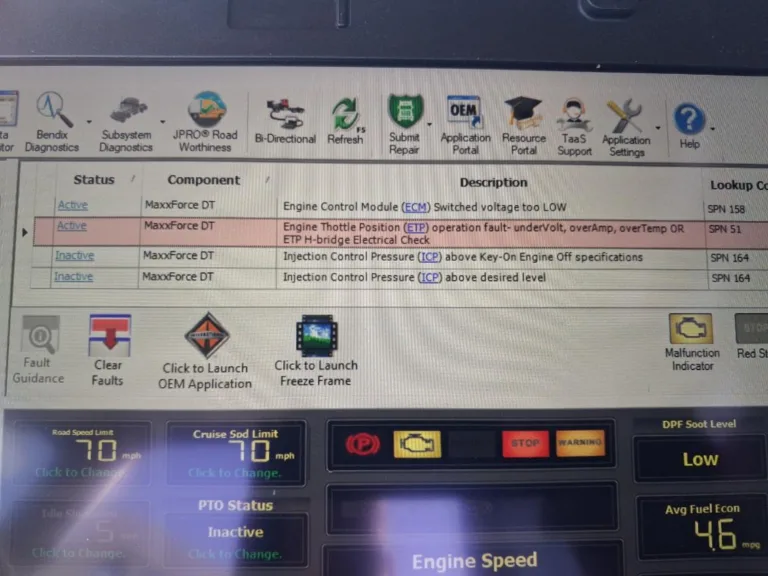
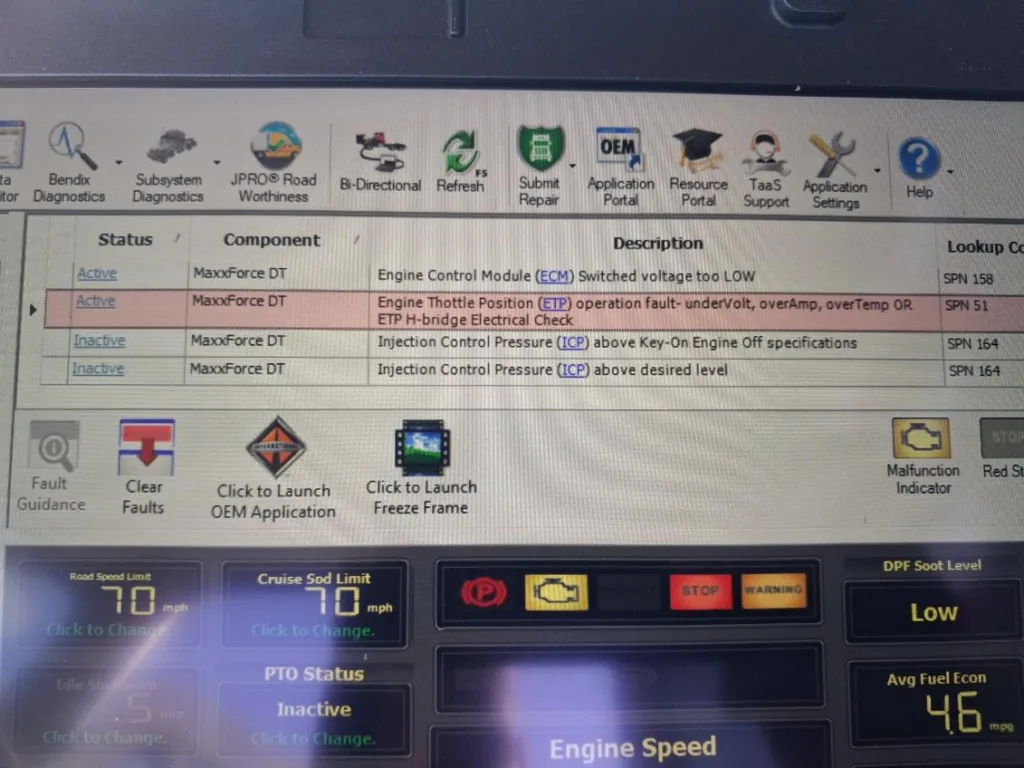
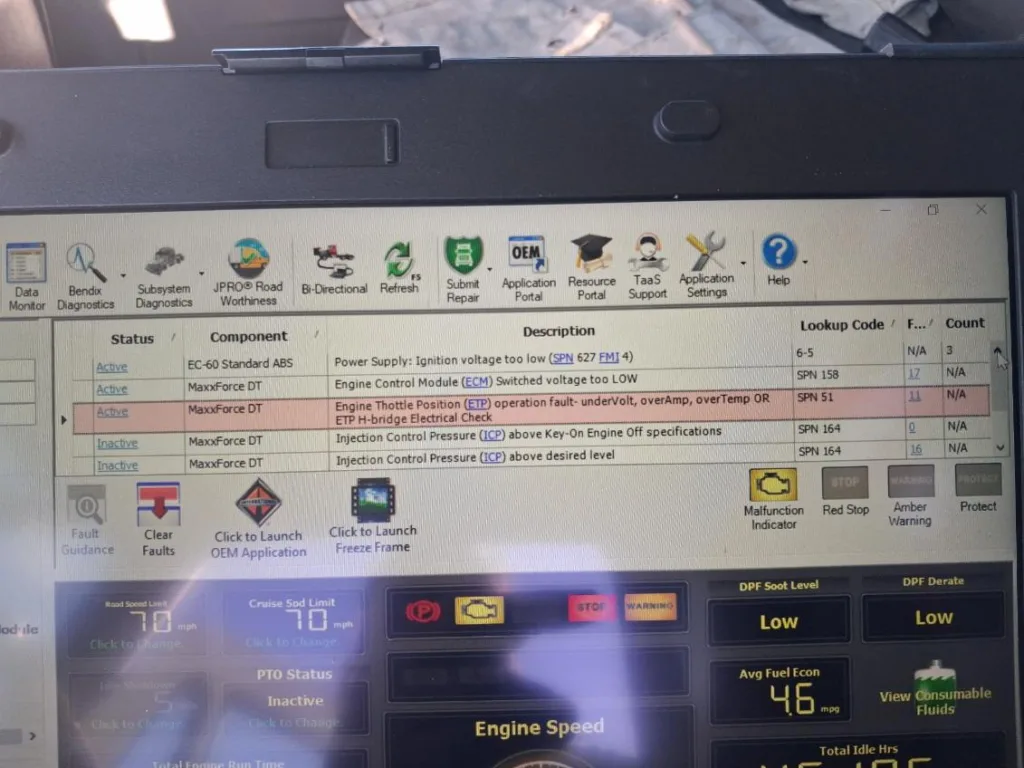
Truck will not start, batteries are weak, alternator is not charging, or warning lights are active? Call or text TRT Road Service with symptoms, voltage readings if available, visible fault codes, and your exact location so mobile dispatch can prepare.
Call now for electrical and no-start help
(928) 577-1496
Electrical failures can stop a commercial truck just as quickly as a mechanical breakdown. TRT Road Service supports mobile electrical diagnostics for no-start complaints, weak batteries, charging problems, alternator or starter symptoms, wiring concerns, warning lights, and active fault codes on I-40, AZ-95, Kingman, Bullhead City, Mohave Valley, and nearby service areas.
For broader roadside support, see mobile diesel repair and heavy-duty diagnostics. For derate, regen, SCR, DEF, and aftertreatment warnings, see DPF and DEF system repair.
Some electrical problems can be handled roadside; others require parts, shop equipment, or deeper follow-up after testing. TRT focuses first on evidence: symptoms, voltage behavior, fault codes, battery condition, cable condition, charging output, starter response, and location safety. That gives drivers and dispatchers a practical next step instead of guesswork.
No-start and intermittent-start troubleshooting
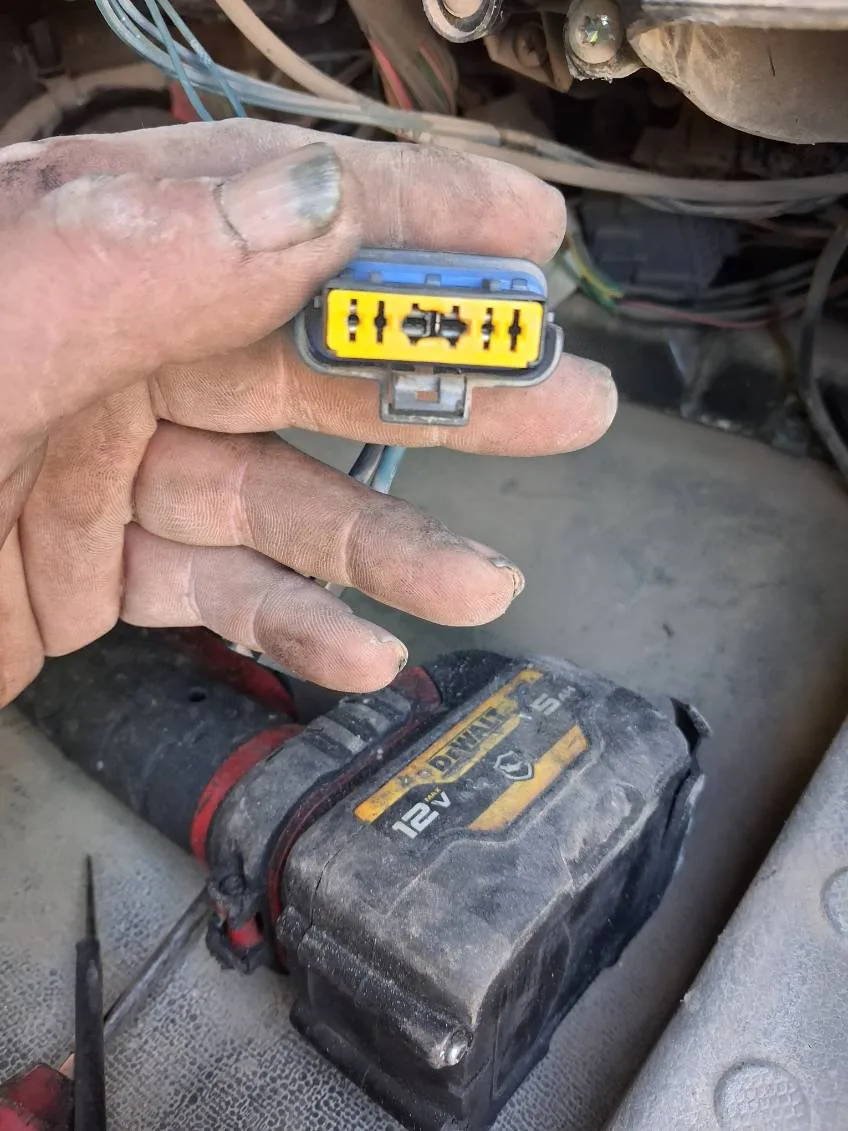
Battery, cable, ground, and connection checks
Alternator and charging-system symptom intake
Starter, relay, fuse, and ignition-circuit checks where practical
Warning-light and fault-code review where applicable
Electrical dispatch coordination for I-40, AZ-95, Kingman, Bullhead City, and Mohave Valley calls
Why Call TRT for Truck Electrical Problems?
Electrical symptoms need a careful intake because the same complaint can come from batteries, cables, grounds, charging output, sensors, wiring, or starter-circuit issues. TRT helps drivers and dispatchers narrow the problem and decide what roadside action is realistic.
Diagnostic intake built around heavy-duty trucks, dispatch details, location safety, and practical roadside feasibility.
TRT can coordinate common payment details with drivers, dispatchers, and fleet contacts before work begins.
Share the nearest exit, cross street, yard, ramp, shoulder, or route marker so dispatch can assess the call.
Symptoms, fault codes, battery condition, cable condition, and voltage behavior guide the next step.
Call or text with the truck year, make, model, engine if known, exact location, whether the starter clicks or cranks, battery age or voltage if known, warning lights, fault codes, recent jump-start attempts, and whether the unit is on a shoulder, ramp, lot, yard, or dock. Photos of battery cables, corrosion, warning messages, and dash lights can help.
If you are coordinating from dispatch, use the contact page to send details.
Truck Electrical and No-Start Questions
Common questions from drivers and dispatchers dealing with no-start complaints, batteries, charging problems, warning lights, wiring symptoms, and electrical diagnostics.
TRT Road Service supports no-start diagnostic calls involving batteries, cables, grounds, starter symptoms, charging problems, warning lights, and fault codes. Roadside feasibility depends on the failure, safety, parts availability, and what testing shows.
TRT supports calls on I-40, AZ-95, Kingman, Bullhead City, Mohave Valley, Fort Mohave, and nearby route or yard locations. Share the nearest exit, cross street, route marker, lot, yard, or shoulder location when you call.
TRT can evaluate battery, alternator, starter, cable, ground, relay, and fuse symptoms where roadside testing is practical. Parts availability and location safety determine what can be handled at the breakdown location.
Send the exact location, truck year/make/model, whether it cranks or clicks, voltage readings if available, warning lights, visible fault codes, recent jump-start attempts, and whether the truck is on a shoulder, ramp, lot, yard, or dock.
Yes. Low voltage, wiring faults, sensor problems, or charging issues can create warning lights or fault codes. TRT starts with diagnostic intake and testing so the next step is based on evidence, not guessing.
TRT can coordinate payment details with drivers, dispatchers, or fleet contacts before work begins. Confirm the accepted payment method during intake.
Some electrical failures require parts, shop equipment, or deeper follow-up. When that happens, the goal is to identify the likely issue, document symptoms or fault evidence, and give the driver or dispatcher a practical next step.