Commercial truck roadside repair on I-40 in Arizona is about more than getting a disabled rig off the shoulder. For a driver, owner-operator, or dispatcher, the real goal is to understand what failed, what can be fixed safely where the truck sits, and what decision gets the load moving with the least wasted time.
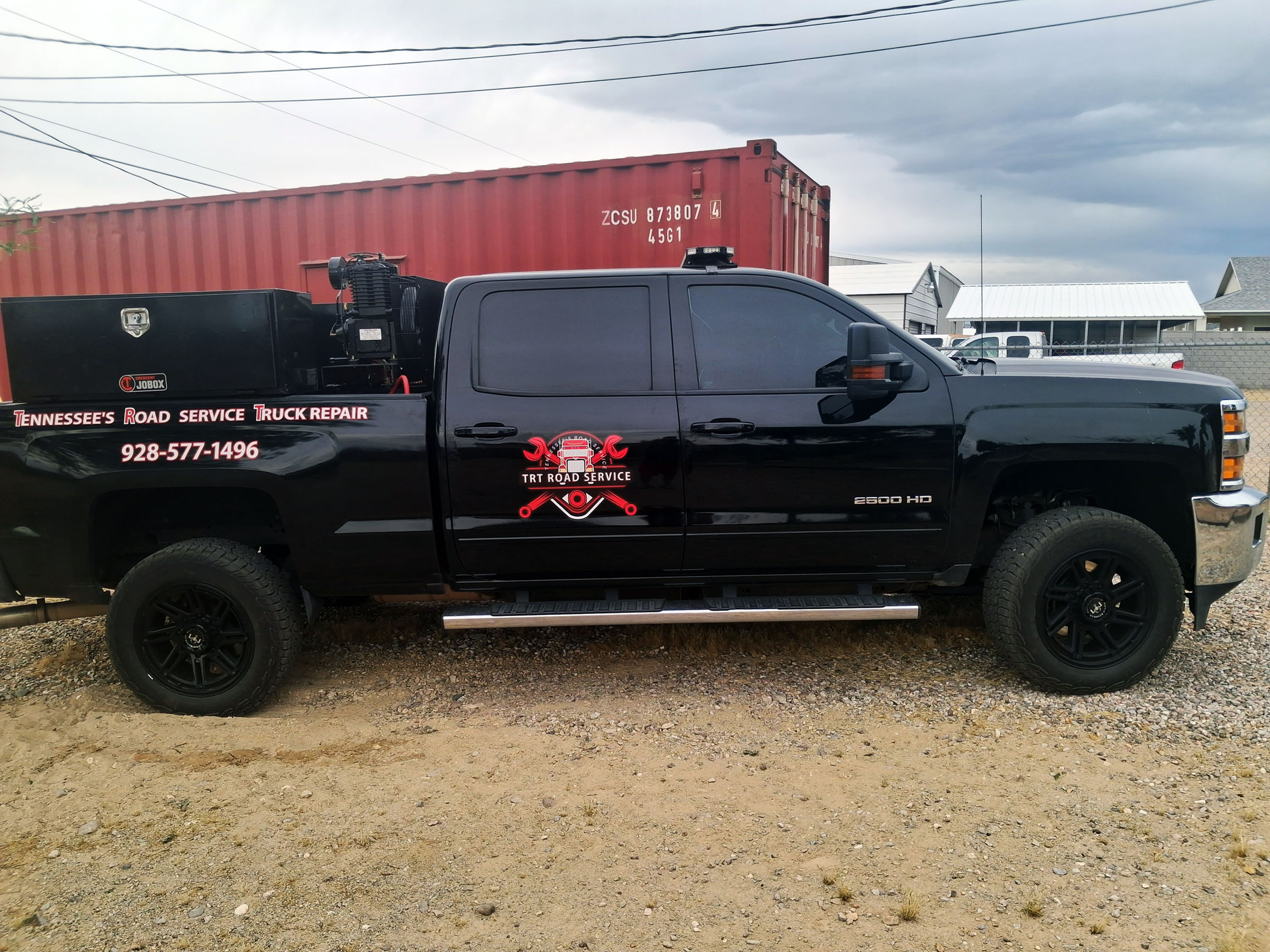
TRT Road Service is built around that repair-first mindset for commercial trucks traveling through northwest and northern Arizona. The I-40 corridor puts drivers through long stretches between service options, changing grades, heat, wind, and heavy freight traffic. When a truck loses air, will not restart, overheats, throws a warning light, or has an electrical issue, the first useful step is practical roadside diagnosis.
Why I-40 Breakdowns Need a Repair-First Plan
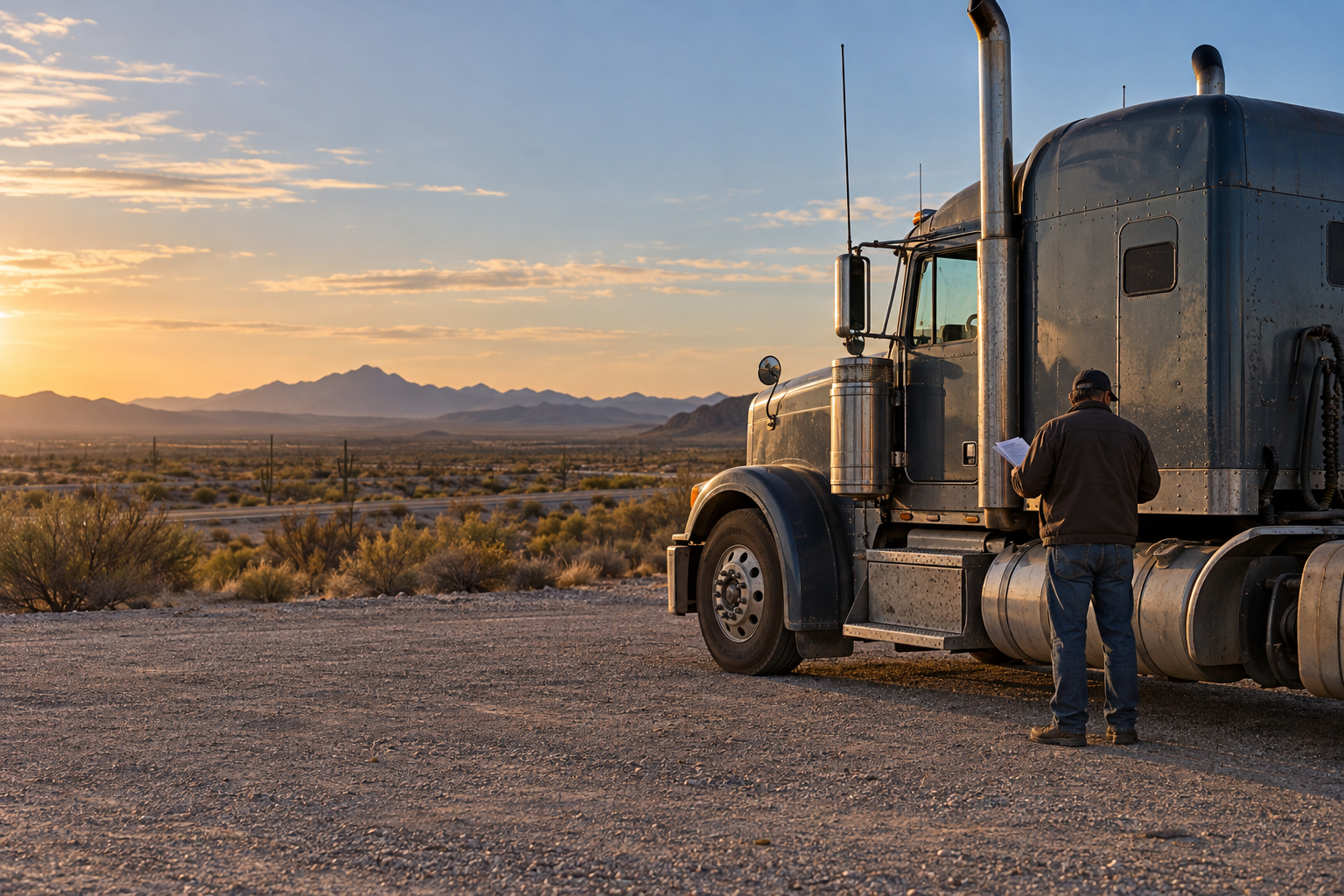
I-40 is a working freight corridor, not a comfortable place to troubleshoot by guesswork. A breakdown near Kingman, Seligman, Ash Fork, or the open highway between exits can create pressure fast. The shoulder may be narrow, traffic may be moving quickly, and the driver may only have limited information from the dash or a quick walkaround.
A repair-first roadside plan starts with a simple question: can the problem be diagnosed and repaired safely at the truck’s location? If the answer is yes, a mobile repair visit can save time compared with moving the truck before anyone understands the failure. If the answer is no, a clear diagnosis still helps the driver and fleet make a smarter next decision.
That is why commercial truck roadside repair should focus on evidence. Warning lights, air pressure behavior, fluid loss, crank/no-start symptoms, charging issues, brake concerns, and recent service history all matter. A good roadside process turns those clues into a practical repair path.
What a Mobile Diesel Technician Checks First
Every roadside call is different, but the first minutes should separate urgent safety issues from repairable mechanical or electrical problems. For commercial diesel trucks, that often means checking the systems most likely to stop the truck from moving safely.
- Battery condition, charging behavior, and cable connections
- Starter response, no-start symptoms, and visible electrical faults
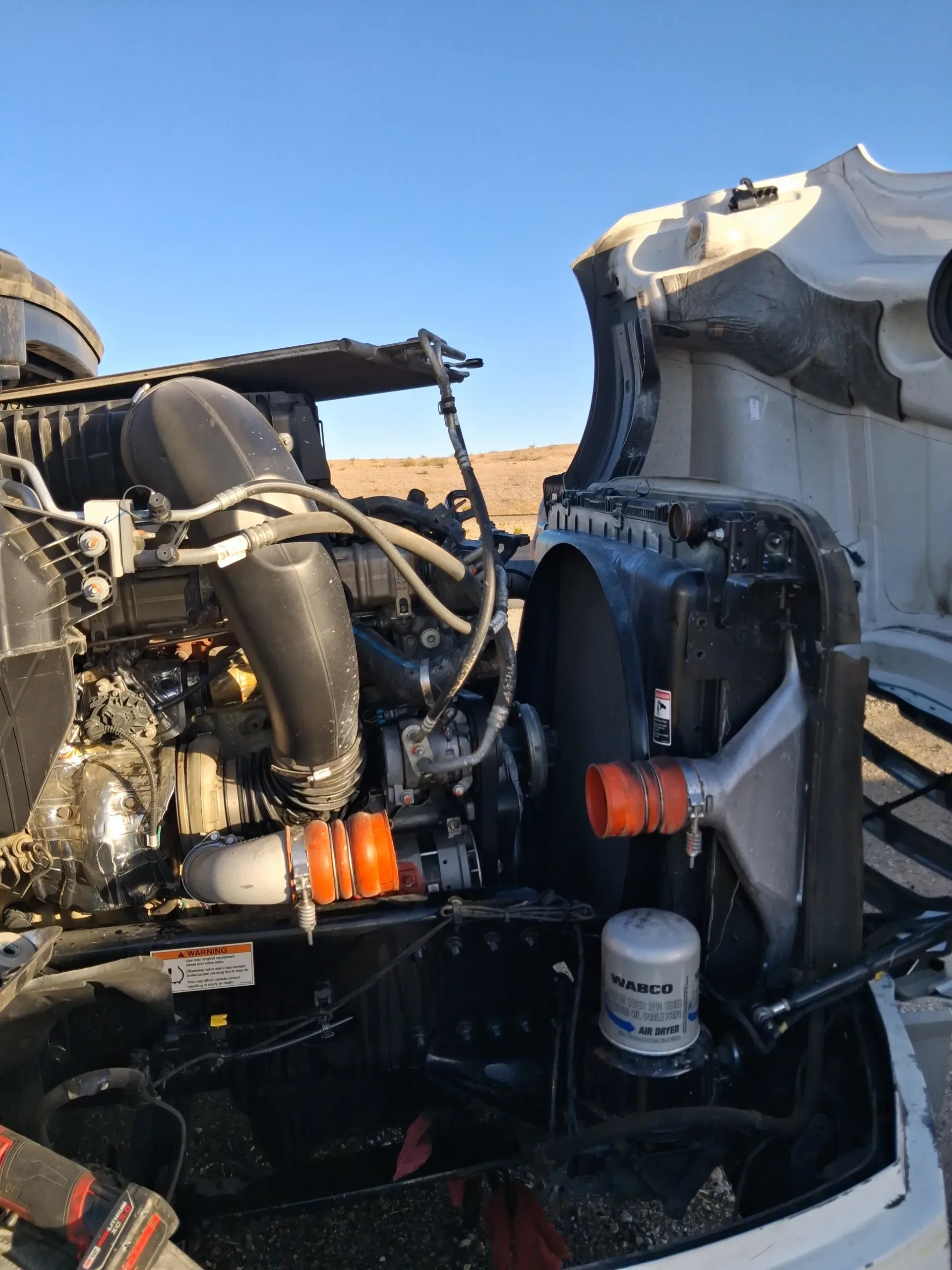
- Coolant level, belts, hoses, leaks, and overheating signs
- Air system pressure, audible leaks, brake chamber concerns, and fittings
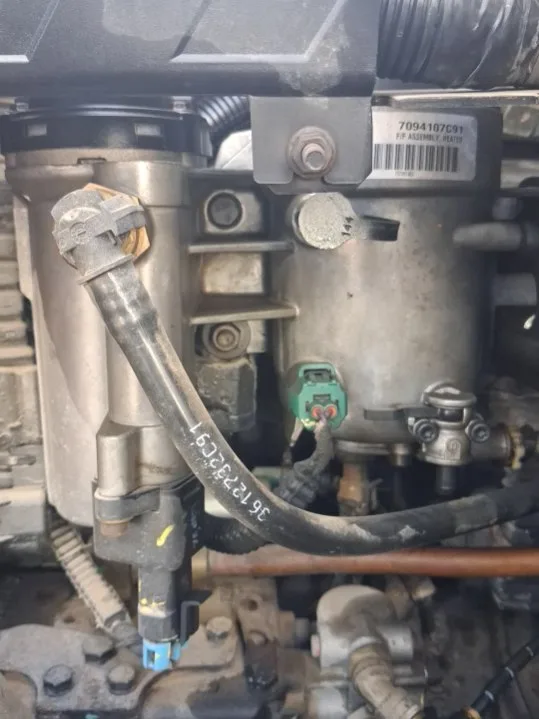
- Fuel delivery symptoms, filters, priming issues, and visible contamination clues
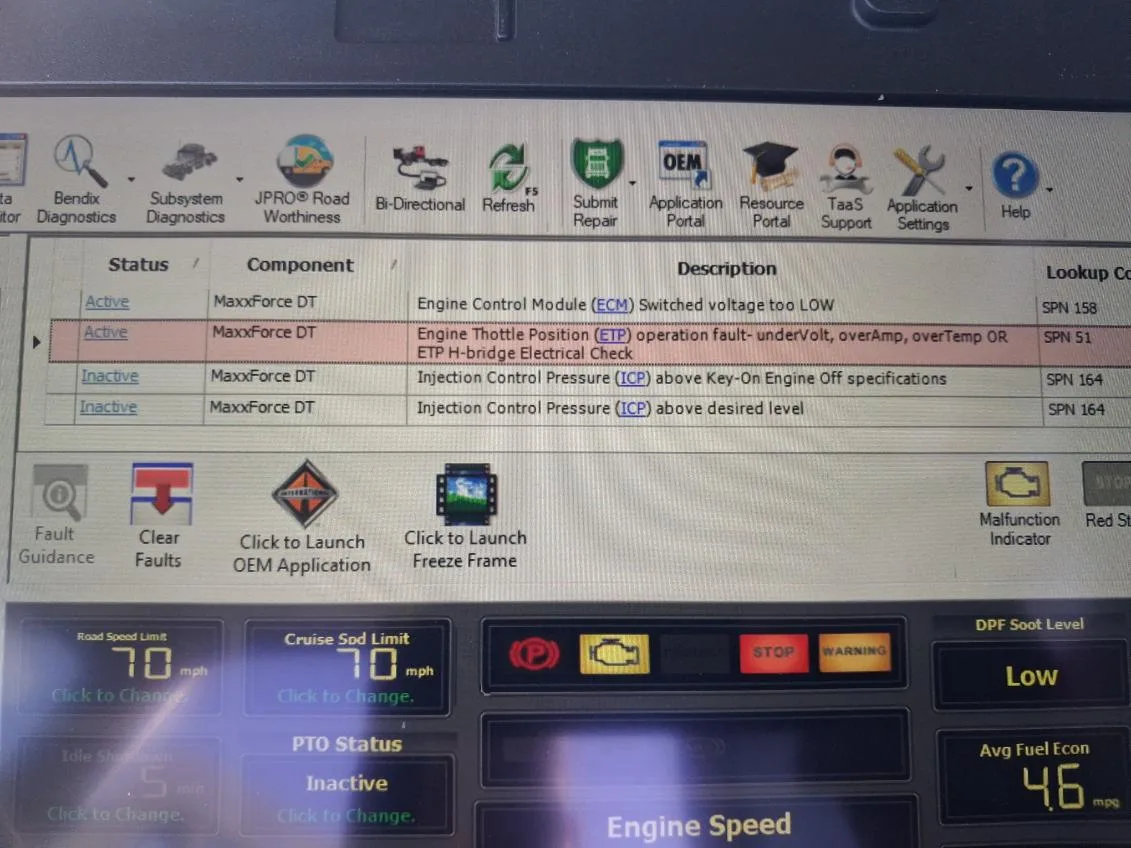
- Dash warnings, derate behavior, and fault-code direction when diagnostics are available
The point is not to throw parts at the truck. The point is to narrow the problem before money and time get wasted. A blown hose, weak battery connection, air leak, bad belt, or minor roadside repair can look like a bigger failure until someone checks it carefully.
Common Roadside Repairs for Commercial Trucks
Many I-40 calls involve problems that can be addressed outside a shop when the location is safe and the right parts or supplies are available. Some repairs are simple. Others require diagnostics, judgment, and a clear conversation with the driver or fleet contact before work begins.
Common commercial truck roadside repair needs include jump starts, battery and connection problems, coolant leaks, belts, hoses, air leaks, brake-related air issues, lighting or electrical faults, fuel filter symptoms, and basic trailer connection issues. Roadside diesel repair can also include helping identify whether a warning light or derate is connected to a condition that needs immediate shop attention.
The best outcome is always a safe repair that gets the truck moving again. The second-best outcome is clarity. Even when a roadside fix is not the right call, knowing what failed helps prevent blind decisions and avoids losing more time to the wrong next step.
How Drivers Can Help the Repair Go Faster
When a driver calls for commercial truck roadside repair, a few details can make the response more productive. Dispatchers and owner-operators should gather the information before the call when it is safe to do so.
- Exact location, exit number, mile marker, direction of travel, and nearby landmarks
- Truck and trailer type, unit number, engine make if known, and any recent repairs
- Dash warnings, fault messages, gauges, and whether the truck starts or moves
- Visible leaks, smoke, damaged lines, air loss, tire issues, or electrical symptoms
- Whether the truck is on the shoulder, at a fuel stop, in a yard, or in another safe area
Photos can also help when they are safe to take. A picture of a damaged hose, leaking fitting, dash warning, or battery area gives the technician a better starting point. Clear information does not replace diagnosis, but it helps the service call begin with the right assumptions.
Repair-First Service Helps Fleets Control Downtime
For fleets, downtime is not only a repair cost. It affects delivery windows, driver hours, customer communication, and dispatch planning. A roadside repair-first approach gives fleet contacts better information faster, especially when the truck is far from the home terminal.
Instead of treating every roadside problem the same way, the technician looks for the shortest safe path to a reliable decision. That may be a direct repair, a temporary safe correction that allows the truck to reach a shop, or a recommendation that the truck should not continue until a deeper repair is made. The value is in knowing which situation you are actually dealing with.
For owner-operators, the same logic applies. A roadside failure can turn into a long and expensive day when the first decision is based on panic. Diagnosis, communication, and practical repair options protect time and cash flow.
Helpful Road and Safety Resources for I-40 Drivers
Before or after a roadside call, drivers and dispatchers can check Arizona 511 road conditions for current travel information and review FMCSA commercial motor carrier safety resources for general safety guidance. These resources do not replace professional roadside diagnosis, but they can help teams make better decisions during an I-40 breakdown.
When to Call TRT Road Service
Call TRT Road Service when a commercial truck on I-40 in Arizona needs mobile diesel troubleshooting, roadside repair help, or a repair-first assessment before the next decision. TRT Road Service supports drivers dealing with no-start conditions, air issues, coolant leaks, belts, hoses, electrical problems, warning lights, and other roadside diesel concerns.
If the truck is in an unsafe location, prioritize driver safety first and follow highway safety procedures. Once the driver is safe, gather the location and symptom details, then contact TRT Road Service with the information that will help the technician understand the situation.
For commercial truck roadside repair on I-40 in Arizona, start with practical diagnosis and a clear repair plan. Call TRT dispatch when you need mobile diesel support, or review TRT services for mobile diesel repair, heavy-duty diagnostics, and I-40 route coverage.
Drivers dealing with a Kingman-area breakdown can also review TRT Road Service for mobile diesel repair in Kingman AZ, and trucks with derate, regen, SCR, DEF, or aftertreatment warnings can review DPF and DEF system repair.